What Is Transloading?
Transloading is the process of transferring freight from one type of transportation mode to another.
For imports arriving through the Port of Tacoma or Seattle, this is when the cargo is moved from an ocean container onto a flatbed, dry van, or reefer.
It’s essentially each joint in the logistics chain:
Ocean container to a semi truck to a warehouse to another semi truck to the final destination.
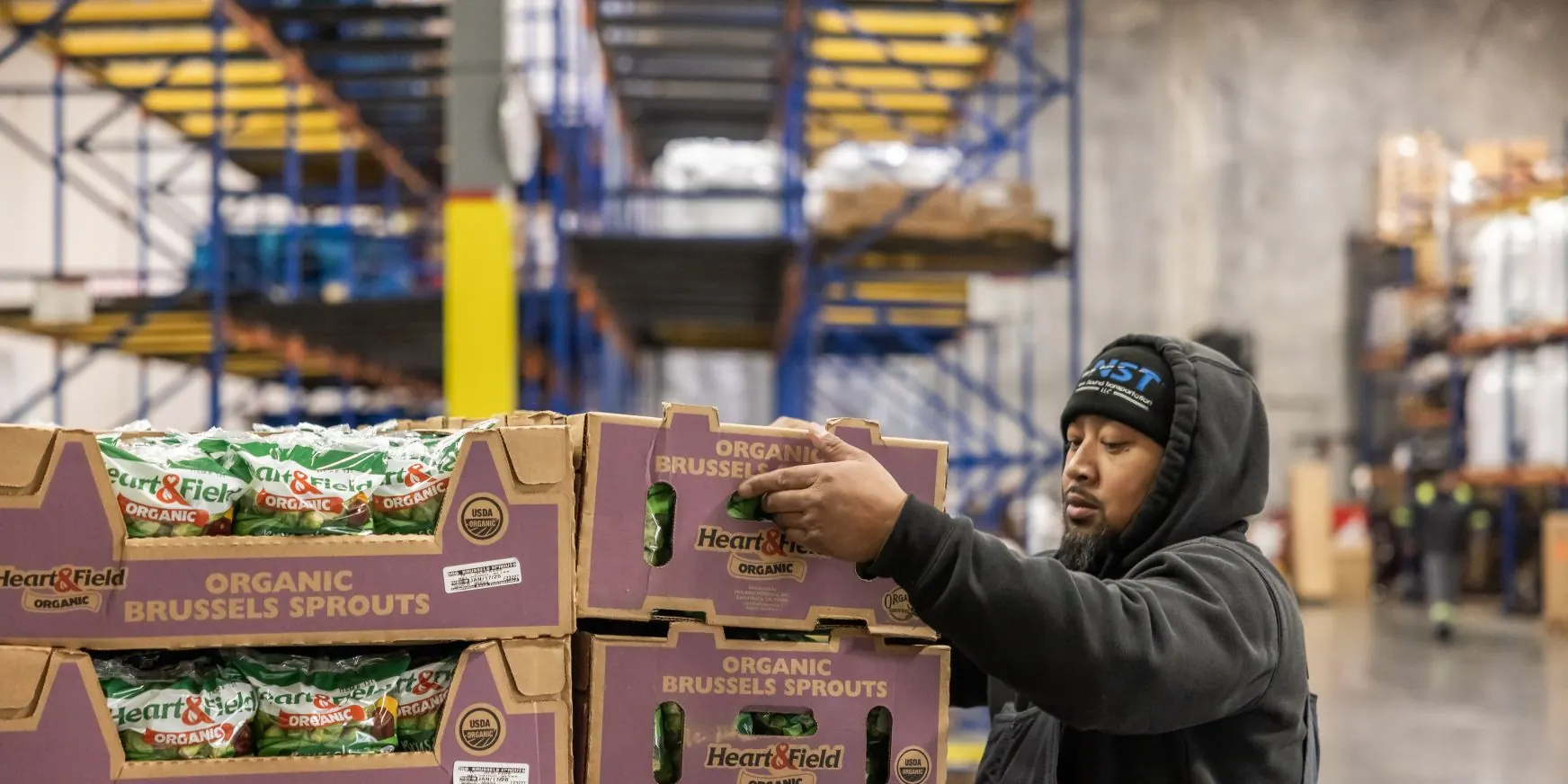
When transloading, some freight requires re-palletization. Others need sorting, restacking, cold storage, short-term warehousing, or other types of consolidation before the next step.
Having a nearby, dedicated transloading team like New Sound Transportation will make your supply chain flow smoother and easier.
Why Do Importers Need Transloading Near the Port of Tacoma?
Ocean containers are designed for international transportation. They aren’t always the best equipment for moving freight through the rest of the United States over roads.
Once a container reaches Washington, importers want to get their cargo out of the container and into a warehouse or trailer as soon as possible. Why the rush?
Well, ocean containers need to be returned. Keeping the ocean carrier’s equipment too long will lead to detention charges. Leaving containers at the marine terminal beyond the allotted free time will also result in demurrage or other storage-related charges.
We explain those particular charges in greater detail in our guide to demurrage and detention costs at Tacoma and Seattle ports.
The freight itself may also need to be changed around. An overseas supplier may floor-load cartons into a container to maximize space, but those same cartons need to be palletized before a distribution center can accept them.
A container might also hold products that are actually going to several destinations. Transloading gives the importer a chance to reorganize the shipment before sending it farther inland.
What Happens During a Transload?
The exact process depends on the cargo, but most transloading operations around Tacoma follow several of the same basic steps.
1. The Container Leaves the Port
The import container is picked up from the terminal and transported to a nearby warehouse. Distance matters here, because sending a container far away just to unload it creates more transportation time, mileage costs, and makes equipment returns even harder.
NST's warehouse is located in Fife, Washington, just minutes from the Port of Tacoma and with direct access to I-5.
2. Freight Is Unloaded
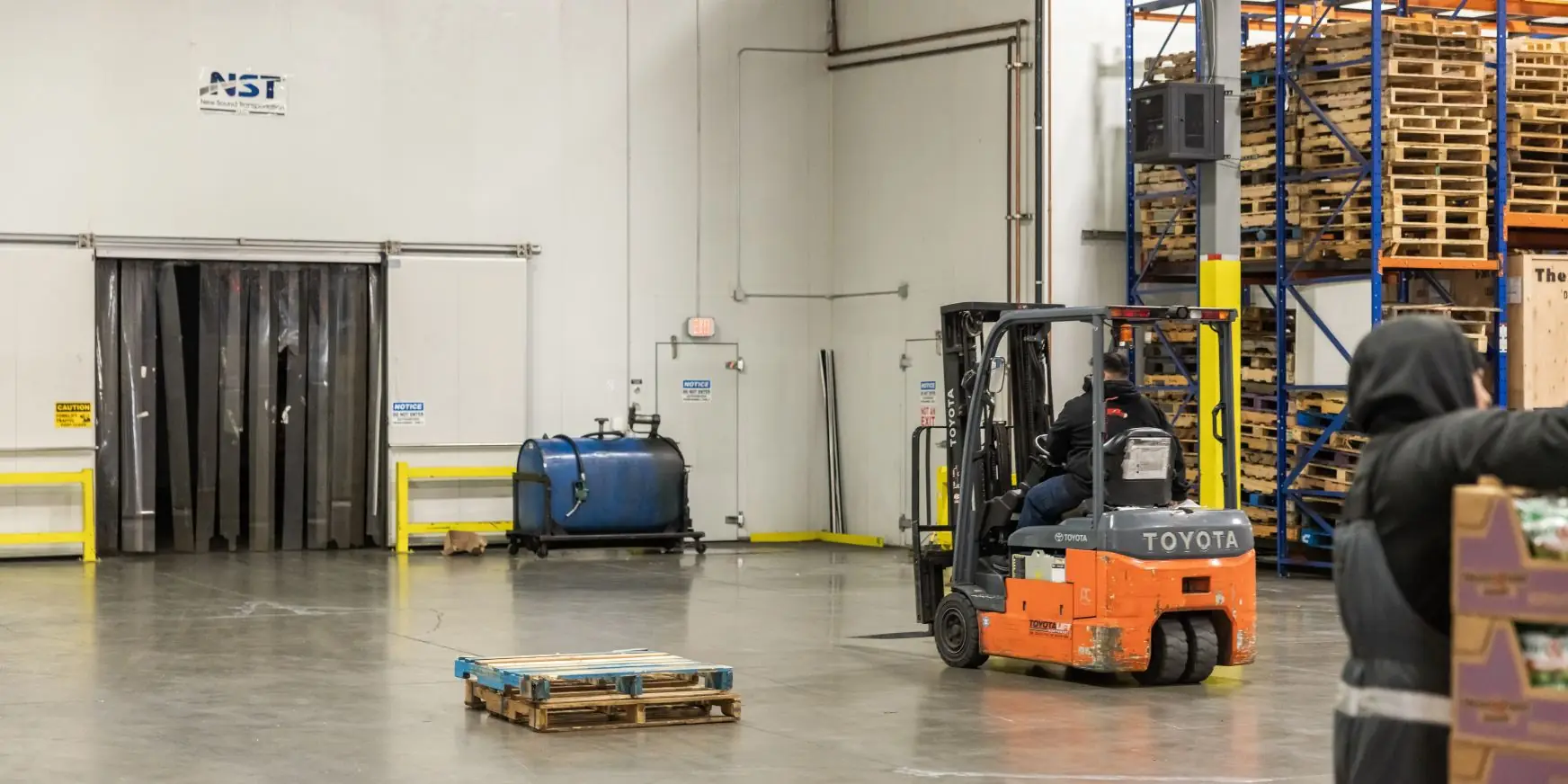
The warehouse crew opens the container and removes the cargo. Palletized freight can often be removed by forklift while floor-loaded containers require more hands-on unloading. This stage also provides an opportunity to identify obvious problems.
The warehouse team sometimes discover:
- shifted cartons
- collapsed pallets
- damaged packaging
- mixed products
- freight that needs palletization
- loads that need sorting by destination
If you want a deeper look at this process, read our guide to container unloading near Tacoma.
3. Freight Is Sorted or Palletized
Imported freight isn't always ready for a trailer. Floor-loaded cartons may need pallets and mixed products might need to be separated. Loads going to several customers will need sorting by the purchase order or destination. This is where a capable transloading warehouse becomes more valuable than a simple unloading dock.
4. Freight Moves Into Storage or Onto Another Trailer
If the outbound truck is ready, freight can move directly into the waiting trailer. If not, the shipment might need temporary warehouse storage. Temperature-sensitive imports need to remain frozen or chilled during this entire period.
NST's Fife operation provides frozen, chilled, and dry storage all in one warehouse location. This allows different types of freight to stay at the same facility while the next move is arranged.
5. The Freight Leaves for Its Next Destination
Once the product is ready, it can move into a trailer for delivery. That could mean a short trip between Tacoma and Seattle, or a regional route to neighboring states like Oregon, or a cross-country haul to any other state.
The important point is that the ocean container no longer controls the shipment. You’re flexible now!
Transloading vs. Cross-Docking: What's the Difference?
These services overlap, but they aren't exactly the same.
Transloading focuses on transferring cargo between transportation modes, like from the ocean to the road.
Cross-docking involves using a warehouse dock to quickly unload one trailer to another one.
A single shipment can involve both depending on your needs. For example, an ocean container could arrive at NST, get unloaded and palletized, then move directly onto a waiting outbound trailer. That includes both transloading and cross-docking.
We cover the second process in greater detail in our article explaining why warehouse location matters for cross-docking.
Why Transloading Location Matters in Seattle-Tacoma
A transload warehouse can have excellent equipment and experienced workers, but the wrong location still costs you money. For Puget Sound imports, there are three geographic factors worth considering.
Distance From the Port of Tacoma
If your containers arrive in Tacoma, every unnecessary mile between the terminal and transload facility adds time, fuel, and risk. A nearby facility makes container turns easier and gives logistics teams more flexibility when schedules change.
NST is located in Fife, just minutes from the Port of Tacoma.
Access to the Port of Seattle
A transloading partner positioned within the broader Seattle-Tacoma freight corridor gives importers more flexibility across both port areas.
NST's Fife location sits roughly 30 miles south of Seattle, which is still just a short drive away.
Access to I-5
After transloading, the freight needs to go somewhere.
I-5 is the main north-south freight corridor through Western Washington. Direct interstate access helps move outbound freight toward Seattle, Oregon, California, distribution centers throughout Washington, and routes serving British Columbia.
That's why Fife is such a useful logistics location. The warehouse isn't simply close to a port, it’s actually positioned where ocean freight can quickly depart after a fast arrival.
Transloading Frozen and Refrigerated Imports
Transloading becomes more complicated when the cargo needs to stay cold. Frozen and chilled food can’t sit on an uncontrolled dock while the logistics team tries to figure out what happens next.
The cold chain has to remain unbroken throughout the transfer. That means your transloading partner should have the infrastructure to handle temperature-sensitive freight.
NST's Fife facility includes frozen, chilled, and dry storage areas and handles food freight within all FSMA-compliant procedures. If an outbound trailer is delayed, refrigerated product can move into appropriate storage instead of sitting exposed.
That capability becomes especially useful for:
- frozen seafood
- meat
- dairy
- produce
- packaged frozen foods
- other temperature-sensitive imports
NST can also move refrigerated freight into a reefer for the next stage of transportation.
For shippers evaluating larger or ongoing storage needs, our article on high-volume cold storage near Tacoma explains what to look for in a regional cold storage partner.
What If Freight Arrives Shifted or Damaged?
This is another reason importers should look beyond basic transloading. Ocean freight doesn't always arrive neatly. Weeks at sea and repeated handling can leave cartons leaning, pallets broken, or freight shifted inside the container. Moving damaged freight straight into another trailer doesn't solve the problem. The freight itself needs a rework.
At NST, freight can be reworked by unloading and then:
- inspecting
- restacking
- repalletizing
- rewrapping
- resorting
- reorganizing
Once it’s all fully corrected, the product can keep moving.
We have a separate blog on recovering shifted freight in transit that explains how restacking and rework can prevent a rejected load from turning into a larger supply chain problem.
Why Use One Partner for Transloading, Storage, and Transportation?
Every additional handoff creates another opportunity for something to go wrong. Imagine coordinating one company to pull the container, another to unload it, another to store the freight, and another to deliver it.Now imagine the delivery appointment changes.
Who's making the calls?
Who's responsible for the freight?
Who knows when the warehouse is ready?
That's where an integrated logistics operation becomes a critical part of your operations. NST combines transportation, warehousing, cold storage, brokering, cross-docking, transloading, and so much more at our Fife location.
As a one-stop-shop, we can support:
- container handling
- transloading
- container unloading
- cross-docking
- palletization
- freight rework
- frozen storage
- chilled storage
- dry storage
- regional transportation
- redelivery
Our warehouse team and transportation operation work within the same building. That means fewer handoffs and a clearer chain of responsibility.
For shorter regional moves after the transload, our guide to short-haul freight services near Tacoma and Seattle ports explains how NST connects port freight with warehouses, distribution centers, and regional receivers.
How to Choose a Transloading Company Near Tacoma
If you're comparing transloading partners, don't make the decision on dock rates alone.
Ask operational questions like:
How far is the warehouse from the port?
Every additional mile affects container turnaround.
Can they handle your type of freight?
Food, frozen goods, floor-loaded containers, and irregular freight have different requirements.
Do they offer storage?
A perfect same-day transfer isn't always possible.
Can they rework damaged freight?
If the load arrives shifted, you don't want to find another warehouse.
Can they handle outbound transportation?
Integrated transportation can eliminate another vendor from the process.
Can they handle refrigerated freight?
If you're importing food, temperature control should be a requirement rather than a bonus.
Frequently Asked Questions About Transloading Near Tacoma
What is transloading?
Transloading is the process of transferring cargo between different transportation modes. For imports through Tacoma or Seattle, this involves unloading freight from an ocean container and transferring it into a truck or trailer.
Where can I transload a shipping container near the Port of Tacoma?
NST operates a warehouse in Fife, Washington, minutes from the Port of Tacoma. The facility provides transloading, container unloading, cross-docking, palletization, freight rework, frozen and chilled storage, dry storage, and transportation support.
Can transloading help reduce detention charges?
Yes. Moving cargo out of an ocean container can allow the empty container to be returned sooner instead of using the container for storage. Actual detention rules and charges depend on the carrier and applicable agreement, but it’s not cheap!
Can refrigerated freight be transloaded?
Yes. Refrigerated and frozen products should be transloaded at a facility equipped to maintain the required cold chain. NST's Fife facility provides frozen and chilled storage and handles temperature-sensitive freight.
Is transloading the same as container unloading?
No. Container unloading simply removes cargo from a container. Transloading goes further by transferring that cargo onto another transportation mode.
Is transloading the same as cross-docking?
No. Transloading involves changing transportation modes. Cross-docking moves freight between an inbound and outbound vehicle with brief to no storage time. A shipment can use both processes.
Can transloaded freight be stored before delivery?
Yes. A warehouse with storage capabilities can hold freight after unloading until the outbound trailer or receiver is ready.
Need Transloading Near Tacoma or Seattle?
When an import container reaches the Seattle or Tacoma ports, you need more than just someone who can unload it. You need a partner who can get the freight out, prepare it for the next leg of transportation, protect it while plans change, and get it moving again.
NST's Fife warehouse is within minutes of the Port of Tacoma with direct access to I-5 and quick access to the Seattle-Tacoma freight corridor. Our team handles transloading, container unloading, cross-docking, freight rework, frozen and chilled storage, dry warehousing, and outbound transportation all in one place.
If you're searching for transloading services near Tacoma or Seattle, contact New Sound Transportation and tell us what's coming into port.