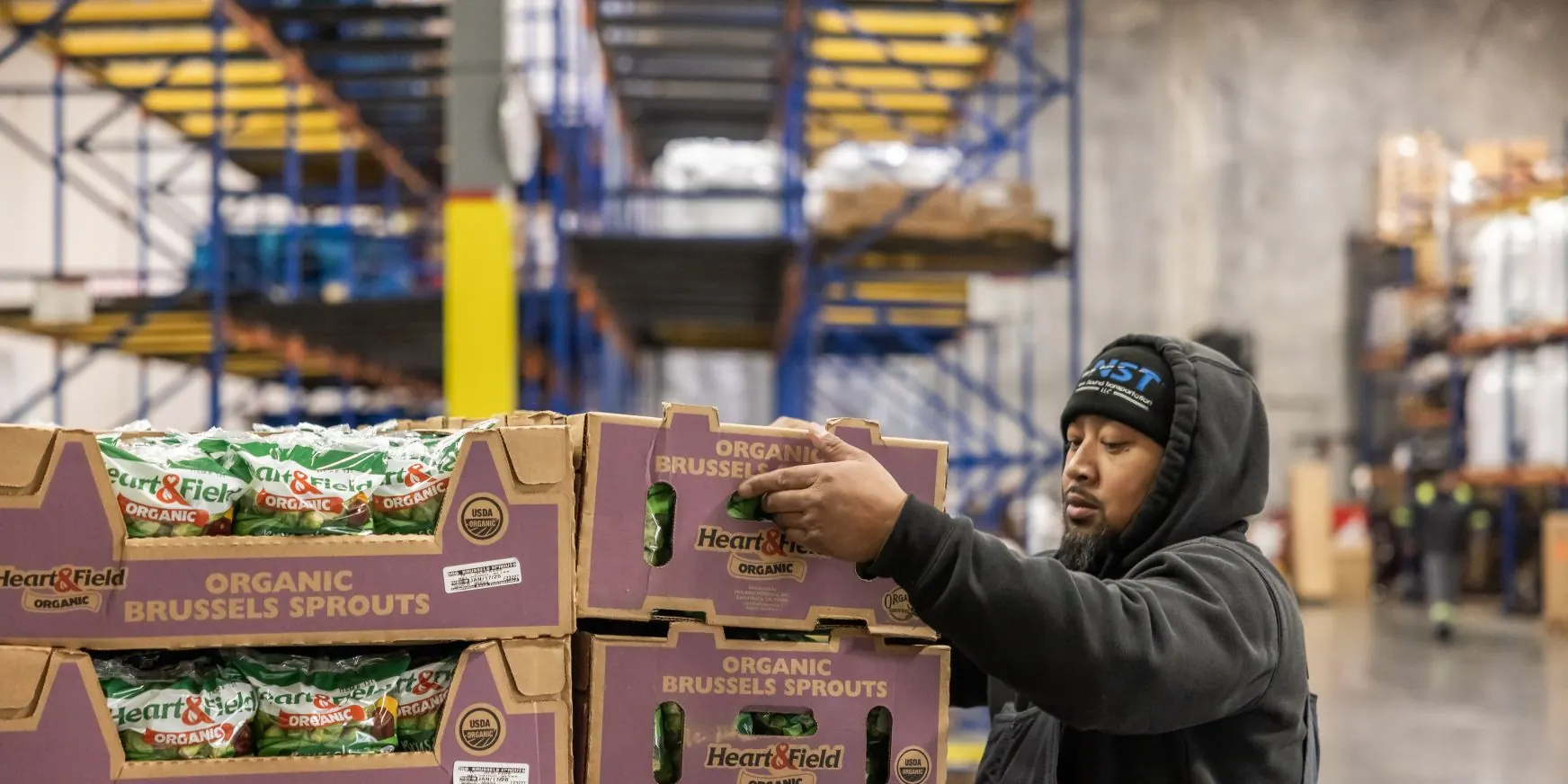
Fees like demurrage and detention have a way of sneaking up on you and adding up quickly, but reducing their impact is possible. Moving your freight to a nearby partner warehouse for unloading, storage, and redelivery is a smart strategy that can keep you ahead of the curve.
Let’s break down demurrage and detention at the Ports of Tacoma and Seattle in detail, including what they cost, so you can best understand and navigate port logistics for your company.
How much do demurrage and detention cost at the Port of Tacoma and Seattle?
Demurrage and detention at the Port of Tacoma and Seattle typically start at a few hundred dollars per day after free time and can exceed $400 to $600 per day as delays continue. Costs increase the longer a container sits, which is why moving freight quickly to a nearby warehouse helps reduce total fees.
What Is Demurrage?
Demurrage is charged when a container stays at the port longer than the allowed free time.
Once your container is discharged and made available, the clock starts. If it’s not picked up in time, daily charges begin to pile up and even escalate.
At the Port of Tacoma and Seattle, free time is limited.
Key takeaway: Demurrage happens inside the port.
What Is Detention?
Detention happens after the container leaves the port.
Once a container is picked up, you have a limited time to unload it and return the empty container. If that window’s missed, detention fees begin to add up.
Key Takeaway: Detention happens outside the port.
Who Sets Demurrage and Detention Rates?
Demurrage and detention are often grouped together, but they actually come from different sources.
- Demurrage is typically tied to the port or terminal itself and applies while the container is still inside the port. It’s like paying rent to the port for using their space.
- Detention is set by the ocean carrier and applies after the container leaves the terminal, like paying rent for the usage of their container.
The purpose of both fees is to work together to push containers through the system quickly. Whether the charge comes from the port or the carrier, the result is the same: the longer a container takes to be unloaded and returned, the more it costs.
What You Can Expect to Pay in Demurrage and Detention at Tacoma and Seattle
At both the Port of Tacoma and Port of Seattle, demurrage and detention charges follow a tiered structure that gets more and more expensive the longer you’re detained. You’ll usually get a short window of free time that’s often around 3 to 4 days. After that, daily fees begin and increase exponentially as time goes on.
The actual cost depends on the size and type of container (refrigerated containers are usually more expensive due to their power and monitoring requirements), as well as which shipping company carried your product, but here’s what you can roughly expect to pay:
- A couple days after free time: about $150 to $250 per day
- Up to a week of delay: about $250 to $400 per day
- Delays about a week or longer: $400 to $600+ per day
These numbers add up very quickly.
- 3 days late comes out to roughly $500 to $800
- 5 to 6 days late means about $1,500 to $2,500
- 7 to 10 days late can be a whopping $3,000 to $5,000+
And that’s per container. So if you’re moving multiple containers through Tacoma or Seattle each week, even small delays can turn into a major pain point.
Why These Fees Are So Common
Most companies don’t plan to pay demurrage or detention. It usually happens because something goes wrong in the normal logistics process.
Common causes include:
- Port congestion
- Missed pickup windows
- Receiver not ready
- Driver or chassis shortages
- Freight that needs restacking
- No nearby warehouse to move freight quickly
These are the same issues we covered in our guide on what to do when your freight is stuck at the Port of Tacoma or Seattle.
Long story short: when freight stops moving, fees start building.
The Hidden Costs Most Companies Miss
Demurrage and detention aren’t just line items. They trigger a chain reaction that can lead to:
- Missed delivery appointments
- Redelivery fees
- Driver downtime
- Rescheduling costs
- Lost retail windows
- Product delays
And if the freight shifts or needs rework, the problem gets even worse. We break that down in detail in our guide on how to handle load shifts and restacks without losing time.
Why Waiting Is the Most Expensive Option
When a container is delayed, many companies opt to just wait. They hope the receiver opens up and they decide to wait for a new appointment. In our experience, that’s exactly where a lot of these costs grow.
Ports aren’t storage facilities, they’re flow systems. The longer freight sits, the more expensive it becomes, and the companies that stay ahead do one thing differently.
They have infrastructure and processes in place to act quickly.
How Smart Shippers Avoid Demurrage and Detention
Avoiding these fees isn’t complicated, it just requires planning and the right partners.
The best approach is to remove the container from the port as soon as possible. From there, you can create a lot of flexibility for yourself.
This usually looks like moving the freight to a nearby warehouse.
Why a Warehouse Near the Port Changes Everything
A nearby warehouse gives you options. Instead of being locked into port timelines, you control the next step.
With a facility near Tacoma or Seattle, you can:
- Pull containers quickly
- Unload immediately
- Inspect freight condition
- Restack if needed
- Store product short-term
- Prepare for redelivery
This removes pressure from the port and buys you time. We cover this process step-by-step in our guide on container unloading and restacking near the Port of Tacoma. One hidden cause of detention is freight that can’t be delivered as-is. If pallets shifted during transit, many receivers will reject the load, which causes more detention and other issues.
Restacking at a nearby warehouse solves this early.
Cold Storage and Compliance Risks
If your freight is temperature-sensitive, the stakes are even higher. Containers can’t sit at the port or on a chassis without risk and delays can easily lead to:
- Product spoilage
- Compliance violations
- Insurance issues
That’s why cold chain freight must move quickly into a controlled environment.
NST provides frozen, chilled, and dry storage zones that protect product during delays.
Redelivery as a Cost Control Strategy
Once freight is unloaded, restacked if needed, and stored, the next step is delivery. If this is handled poorly, the delays simply repeat.
NST combines warehousing and transportation, which allows for:
- Coordinated scheduling
- Faster redelivery
- Fewer communication gaps
This is especially important after delays, and when everything is handled in one place, recovery is always faster and more cost-effective.
NST’s Warehouse and Cold Storage is Nearby
- Minutes from the Port of Tacoma
- Close to the Port of Seattle
- Directly off I-5
That means:
- Faster container movement
- Less time exposed to port fees
- Easier coordination for drivers
How This Fits Into the Bigger Supply Chain
Like we covered earlier, it’s important to understand that demurrage and detention aren’t isolated problems, and supply chains are tighter, faster, and less forgiving than ever before. You can read more about this in our 2025 supply chain trends and 2026 forecast, but there’s genuinely less room for delays in today’s logistics industry.
Companies that adapt to avoid unnecessary cost with faster decisions, better staging, and flexible warehousing partners are in position to succeed.
Frequently Asked Questions About Demurrage and Detention
What is demurrage at the Port of Tacoma?
Demurrage at the Port of Tacoma is a daily fee charged when a container stays at the port beyond the allowed free time. The longer the container sits, the higher the cost.
What is detention in port freight shipping?
Detention is a fee charged when a container is kept outside the port too long before being returned. It starts after the container leaves the terminal.
How can I avoid demurrage fees at the port?
You can avoid demurrage fees by pulling containers out of the port quickly and moving them to a nearby warehouse for unloading and storage.
How can I avoid detention charges?
Avoid detention by unloading containers quickly and returning them on time. Using a nearby warehouse speeds up this process.
Who pays demurrage and detention?
Typically, the shipper or consignee is responsible, depending on the agreement. In many cases, brokers and logistics teams must manage the outcome.
Can a warehouse help reduce port fees?
Yes. A warehouse near the port allows you to move containers quickly, unload them, and avoid extended time at the terminal.
What should I do if my container is delayed at the Port of Seattle?
If your container is delayed at the Port of Seattle, the best move is to relocate it to a nearby warehouse where it can be unloaded, stored, and prepared for delivery.
Need Help Avoiding Port Fees?
Demurrage and detention aren’t just normal fees. They’re signals that something in the process has slowed down. And while you can’t always prevent delays, you can control how quickly and effectively you respond.
The fastest way to reduce cost is to move freight out of the port, into a warehouse, and stage it for the next step. NST Cold Storage & Warehouse in Fife, WA is built for exactly that.
We help companies:
- Pull containers from the port
- Unload and inspect freight
- Restack and rework pallets
- Store product safely
- Redeliver when ready
If you want to reduce port costs and keep your freight moving, the solution is simple:
- Act fast
- Stay flexible
- Use the right partner.
If your containers are sitting at the Port of Tacoma or Seattle, don’t wait around to see what happens. Contact NST today to move, store, or restack your freight to reduce fees and stay on schedule.