Finding the right cross-docking location isn’t just about finding any warehouse with a loading dock. You’ll need a facility placed near major transit routes, a team that knows how to handle your specific cargo, and food-safety compliant facilities that can maintain the cold chain if you’re shipping food.
With this guide, you’ll know:
- where to find strategic cross-docking locations
- how the process works
- how to choose the right partner to keep your freight moving
Why the Cross-Dock Location Matters
When someone receives freight directly from an arriving truck or sea container, they need to work to move the product quickly. Speed is the main goal, so the physical location of the facility where you’re cross-docking is vital. If your cross-dock is too far, you’ll waste extra time and money.
How Close is the Cross-Dock to the Port?
You’ll need a facility near big sea terminals to export or import your goods as fast as possible from sea transit. If your shipment arrives in the Pacific Northwest from a sea carrier, your cross-dock should be only minutes away from the Tacoma or Seattle Ports.
Does the Cross-Dock Have Access to Major Interstates?
For domestic shipments, your cross-dock must sit near major highway corridors. In the Pacific Northwest, having a facility right off I-5 is the best for north-south freight moving between:
- Canada
- Washington
- Oregon
- California
Cold Storage Cross-Docking
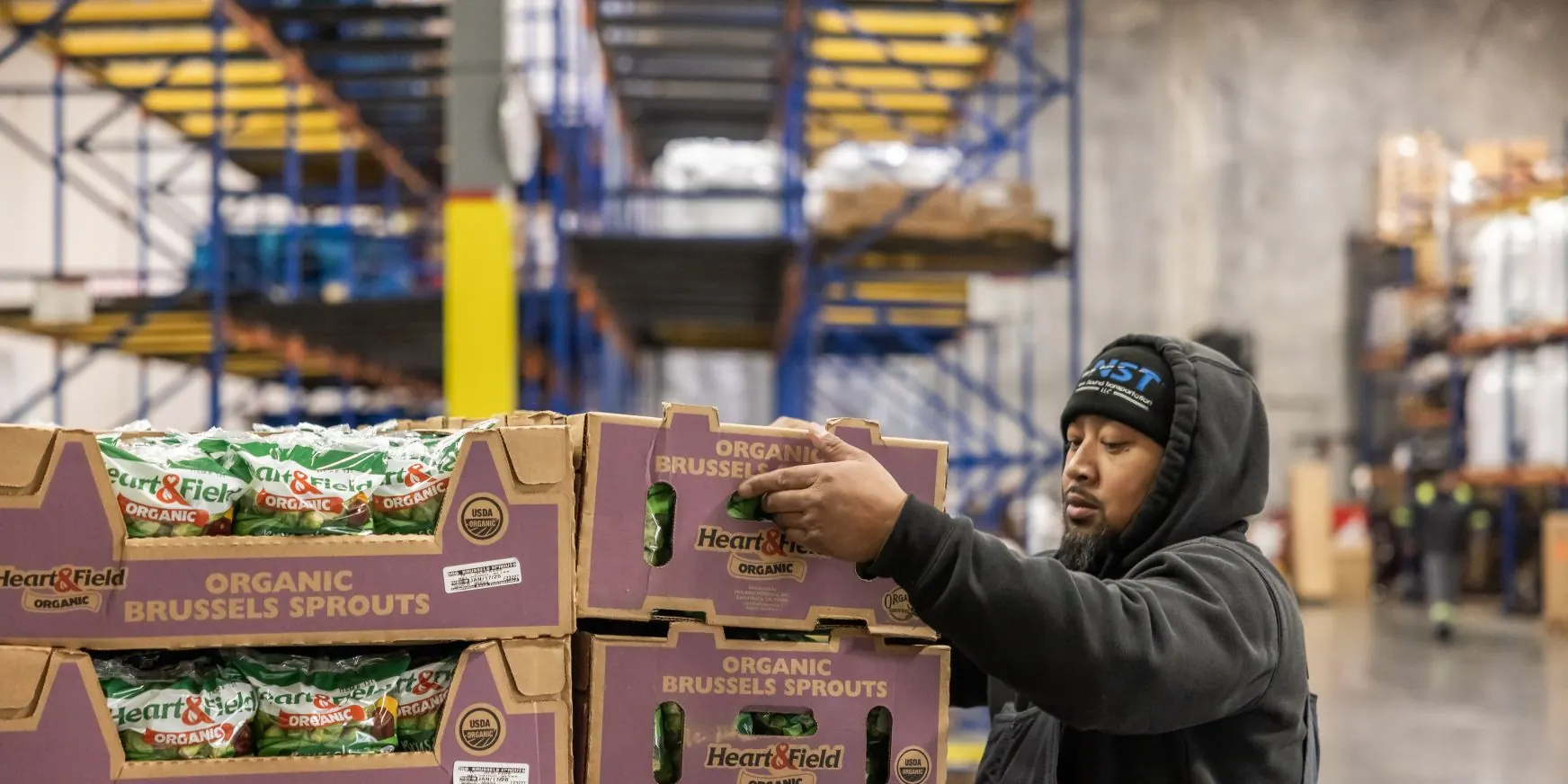
If you’re thinking about shipping frozen or chilled food to a cold storage and need to cross-dock, speed and accuracy are even more important than for dry loads. The warehouse crew must be able to quickly unload, check counts, and reload the freight without damaging any of the product or allowing it to fall out-of-temp.
To do so, the warehouse must have a temperature-controlled dock built for FSMA regulations. The goods can’t sit on a warm dock if you’re moving:
- frozen fish
- chilled dairy
- fresh produce
- and more…
Cross-docking for cold freight needs to keep the goods cold from the moment the trailer door opens until the moment the job is done.
How Does Cross-Docking Work?
1. Scheduling and Arrival
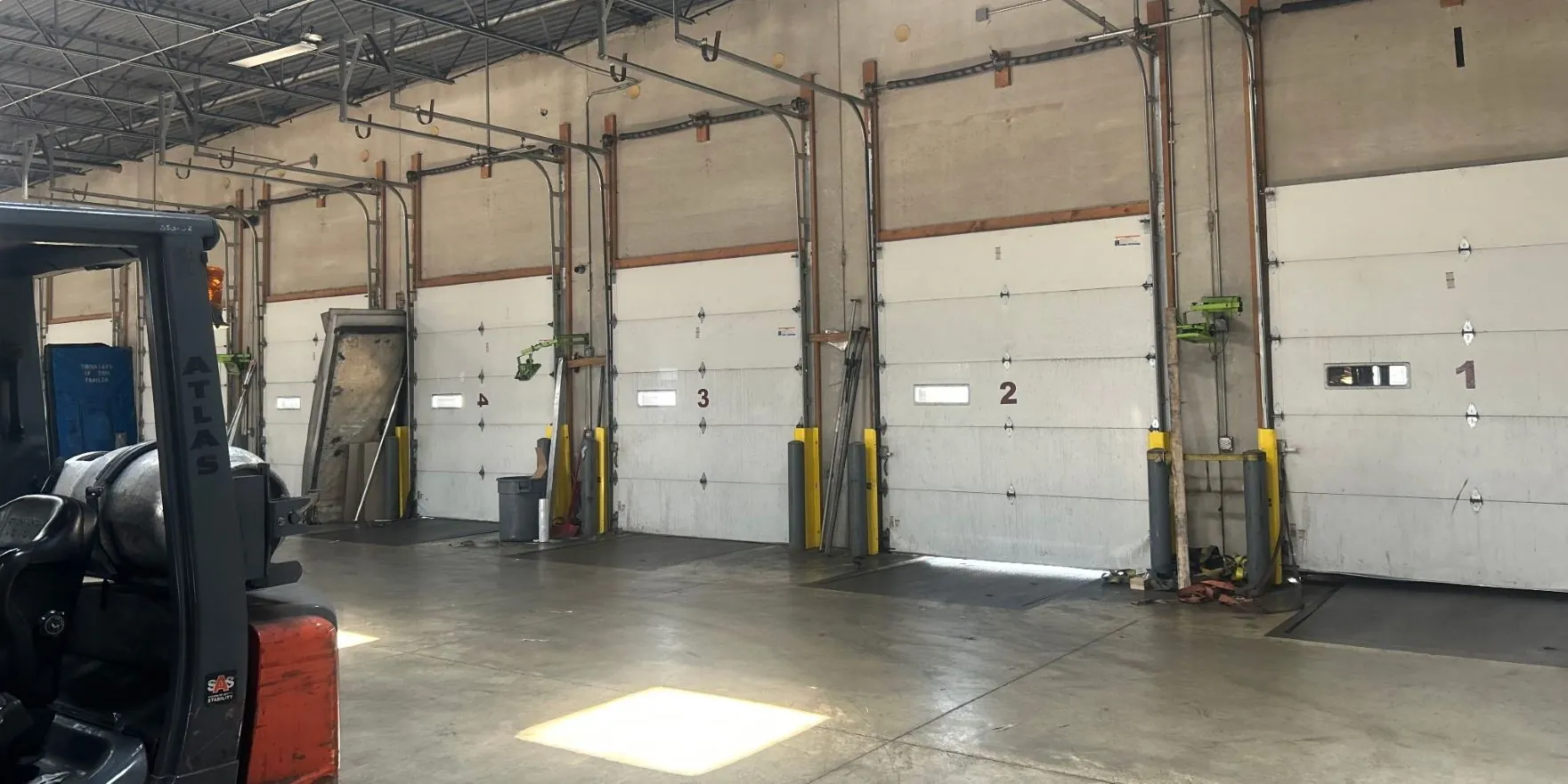
The carrier schedules a cross-dock appointment. When the inbound truck arrives, the driver backs into an assigned dock door.
2. Unloading and Inspection
The warehouse crew unloads the pallets using forklifts or pallet jacks. Then, they’ll check for:
- Correct pallet counts
- Damaged packaging or broken pallets
- Temperatures for chilled or frozen goods
3. Sorting and Staging
If the shipment is a straight transload, the crew moves the pallets directly to a lane near the outbound dock door.
4. Rework and Repalletization
When the freight arrives in bad shape, the warehouse crew must rework it. They restack the boxes, place them on new pallets, and wrap them up in film so they are safe to keep moving.
5. Outbound Loading
The warehouse crew loads the pallets onto the trailer. They secure the load with straps or load bars to prevent shifting during the next journey.
Common Problems Cross-Docking Can Solve
At New Sound Transportation, we know that logistics isn’t a piece of cake. Here’s how a cross-dock can solve some of the most common issues that people face in the logistics industry:
Shifted or Damaged Loads
Road conditions can cause freight to shift inside a trailer, so when the driver gets to a receiver, they may refuse to unload a shifted or leaning pallet. In this case, you’ll need a nearby warehouse that offers freight rework. The team will unload the messy trailer, restack the fallen boxes, re-wrap the pallets, and load them back onto the truck.
Rejected Deliveries
If a pallet is damaged, or if the driver misses their delivery window, the receiver might turn down the entire truckload. Instead of paying to take the freight back, you can hold it temporarily at a local cross-dock, make any necessary cleanup, and get it redelivered when the receiver gets a new appointment.
Overweight Axles
If a shipper loads a trailer incorrectly, the truck can be over the weight limit on its trailer axles. A good solution is scaling down at a nearby cross-dock and having the warehouse crew shift the pallets forward or backward inside the trailer to balance the weight.
Port Container Unloading
Importing goods in sea containers is cost-effective, but shipping lines charge steep daily fees if you keep their containers and chassis too long. A local cross-dock facility near the port can offer container unloading. They’ll pull the goods out of the container, palletize them, and take the empty container back to the port terminal quickly to avoid any demurrage and detention fees.
FAQs About Cross-Docking
What is the difference between transloading and cross-docking?
Transloading has to do with transferring cargo from one mode of transportation to another, like moving goods from a sea container to a domestic truck trailer. Cross-docking refers to moving freight between incoming and outgoing vehicles (usually trucks) with minimal storage time.
How much does cross-docking cost?
They can vary based on the type of freight, the weight, the number of pallets, and whether the goods require refrigeration. Typically, facilities charge a flat rate per pallet for basic cross-docking, with additional fees for services like restacking, shrink-wrapping, or sorting.
Can you cross-dock frozen food?
Yes, but you must use a FSMA-compliant facility with a temperature-controlled loading dock. The warehouse must have the correct temperature to keep food safe.
What is freight rework?
Freight rework is the process of correcting a shipment that’s damaged, shifted, or rejected. This includes restacking fallen boxes, replacing broken wooden pallets, re-shrinkwrapping loads, and reorganizing freight to meet a receiver's strict delivery specifications.
Choose a Cross-Docking Partner That Keeps Freight Moving
Cross-docking only works when the warehouse is in the right place and the team knows how to move freight quickly. A delayed transfer, damaged pallet, or missed delivery window can quickly erase the time and money cross-docking is supposed to save.
NST's Fife, Washington facility is located just minutes from the Port of Tacoma, with convenient access to the Port of Seattle and I-5. Our team provides cross-docking, container unloading, freight rework, pallet restacking, cold storage, and regional transportation under one roof, helping shippers reduce delays, and avoid unnecessary fees.
If you're looking for a reliable cross-docking warehouse near Tacoma or Seattle, contact NST today to discuss your freight and build a logistics solution that fits your operation.