If you’ve shipped frozen or refrigerated freight recently, you’ve likely felt it already. Rates are climbing again and reefer capacity is getting tighter. Delivery windows are smaller. Delays are more expensive. And the margin for error in cold chain logistics continues to shrink.
According to DAT Trendlines, refrigerated freight pricing remains high as food demand, regional distribution pressure, and equipment limitations continue changing the market. Spot rates and tender volatility are creating a more unpredictable environment for shippers moving temperature-sensitive freight across the country.
This isn’t just a temporary market fluctuation. The refrigerated freight market is changing structurally. For food manufacturers, importers, distributors, and brokers, the companies that adapt operationally in 2026 will outperform the ones still relying on outdated shipping strategies.
Let’s break down what’s happening and what smart shippers are doing about it.
Why are reefer freight rates rising in 2026?
Reefer freight rates are rising because refrigerated truck capacity remains low while demand for frozen and fresh freight continues to grow. Higher operating costs, stricter cold chain requirements, port congestion, and limited reefer availability are all pushing refrigerated shipping costs higher across the U.S.
Why Reefer Freight Is More Difficult Than Standard Freight
Refrigerated freight has always been more demanding than dry freight. A reefer trailer isn’t just another truck.
It requires so much more, including:
- Temperature monitoring
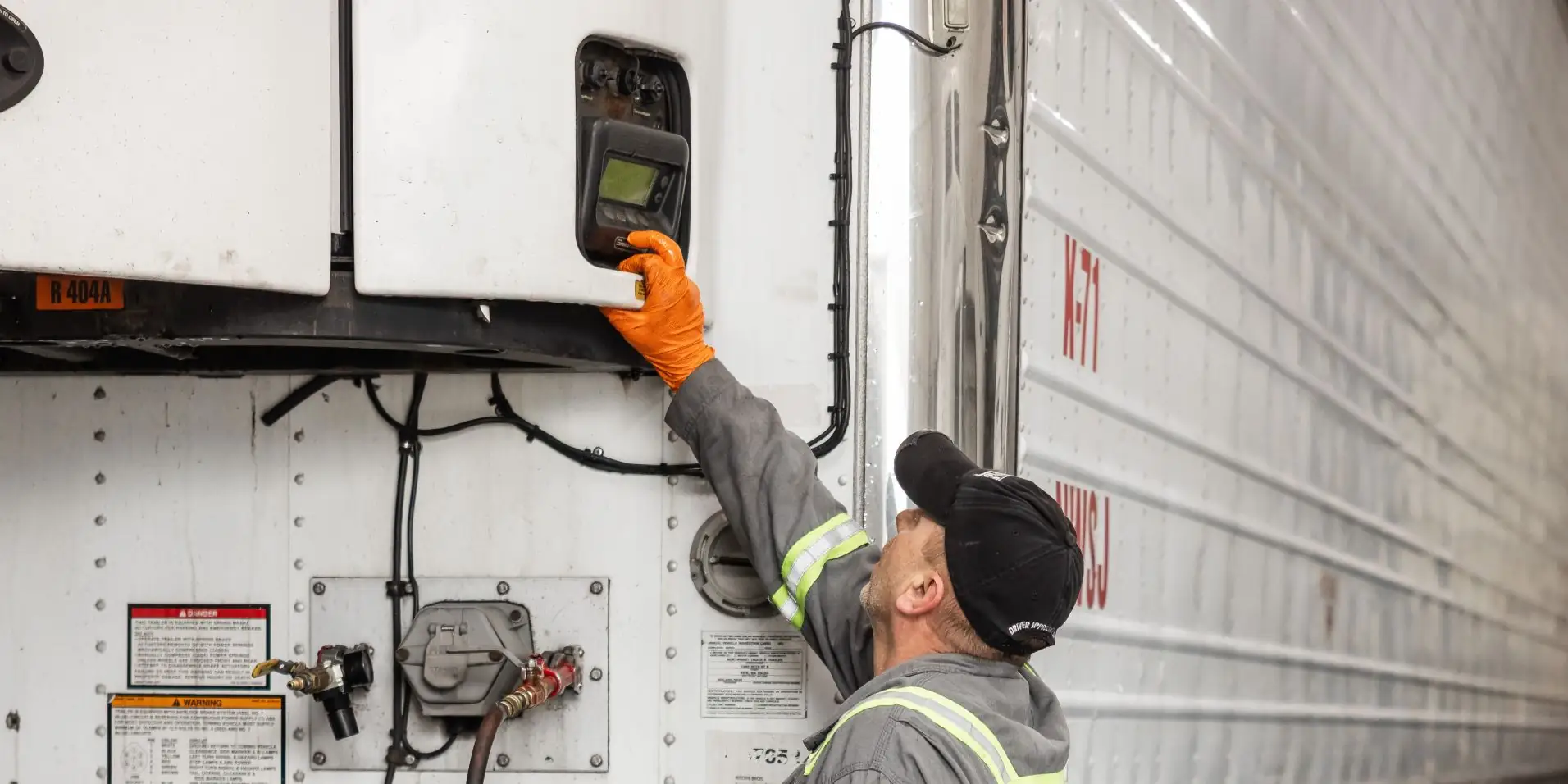
- Fuel for refrigeration units
- More maintenance
- More compliance oversight
- Stricter delivery scheduling
And unlike dry freight, reefer shipments don’t tolerate delays. Frozen food, produce, dairy, seafood, pharmaceuticals, and other sensitive products all depend on a protected cold chain from pickup to delivery.
That means when reefer capacity tightens, costs rise faster than standard freight markets.
DAT Trendlines Show Continued Reefer Market Pressure
Recent DAT Trendlines data shows refrigerated freight markets continuing to experience pressure in key lanes across the United States. Capacity tightening and rate volatility have become common as supply chains continue adjusting to changing inventory strategies and regional distribution models.
Several factors are driving this:
- Higher food transportation demand
- Seasonal produce movement
- Port congestion and import surges
- Reduced excess truck capacity
- Higher operating costs for reefer carriers
Fuel alone impacts refrigerated freight harder than standard freight because reefer units burn fuel continuously during transit. Maintenance costs are also significantly higher, with more parts and machinery.
When delivery schedules tighten, detention and delay costs in particular increase quickly. We covered that in detail in our guide on demurrage and detention cost at local ports.
Why Cold Chain Delays Are More Expensive in 2026
A late dry shipment is frustrating. But a late reefer shipment can destroy the product. That difference changes everything.
If refrigerated freight sits too long:
- Product temperature can drift
- Retail appointments can be missed
- Compliance risks increase
- Entire loads can be rejected
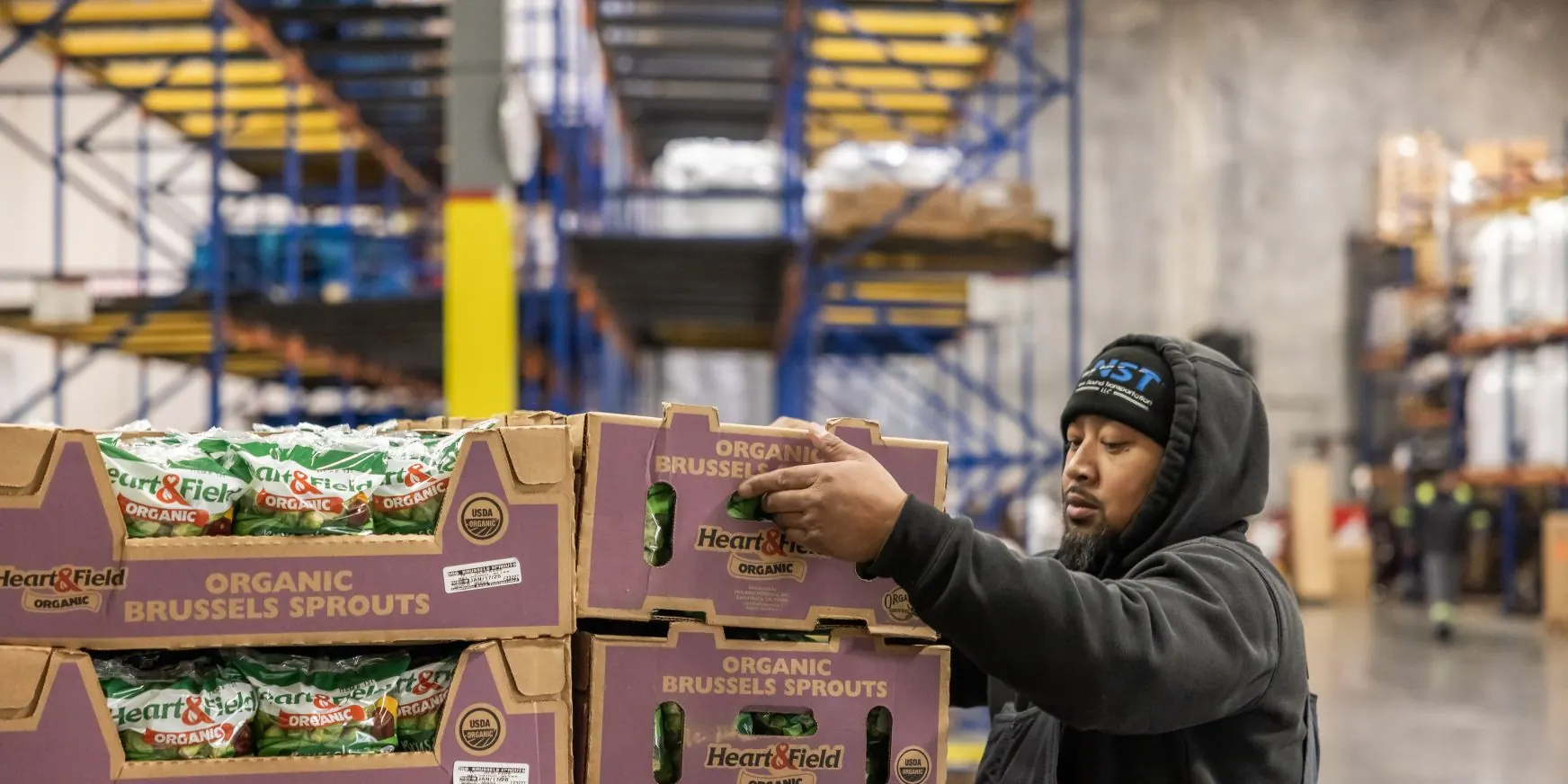
This is just one reason why more shippers are moving toward flexible warehousing and nearby cold storage staging. Instead of pushing freight directly from the port to the receiver under pressure, many companies now stage freight regionally to protect delivery windows.
For regional flexibility, NST has cold storage facilities strategically placed in:
- Fife, WA
- Bedford Park, IL
Why Reefer Capacity Tightens Faster Than Dry Freight
The reefer market is smaller than the dry van market.
There are fewer:
- Reefer trailers
- Qualified carriers
- Drivers experienced with temperature-sensitive freight
At the same time, demand keeps growing. Food supply chains are becoming more regionalized. Grocery delivery expectations are faster and more competitive. Retailers are reducing inventory buffers. All of these factors create a system where delays ripple quickly and aggressively.
One missed appointment can affect:
- Delivery schedules
- Redelivery planning
- Warehouse staging
- Driver availability
Port Congestion Continues to Pressure Refrigerated Freight
West Coast ports continue experiencing periods of congestion and uneven container flow.
When containers sit too long at the Port of Tacoma or Seattle:
- Demurrage charges increase
- Reefer containers require monitoring
- Delivery schedules collapse quickly
This is especially dangerous for imported frozen and fresh products. We discussed what to do when your freight is stuck at port here. The companies handling this best are simply not waiting around at the port.
They’re taking action by:
- Pulling containers quickly
- Moving freight to nearby warehouses
- Cross-docking efficiently
- Redelivering strategically
This is becoming the new standard in cold chain logistics.
Why Regional Cold Storage Is Becoming Critical
The old model relied heavily on massive national distribution centers. But that model is becoming harder to maintain efficiently.
Longer transit times increase:
- Fuel costs
- Spoilage risk
- Appointment pressure
- Freight volatility
More companies are now using regional cold storage hubs to reduce risk.
NST’s warehouse in Fife, WA sits:
- Near the Port of Tacoma
- Near the Port of Seattle
- Directly off I-5
That location matters because freight can move quickly between the port, the warehouse, and the final delivery.
Reducing overall transit time helps reduce:
- Delay exposure
- Product risk
- Reefer operating costs
Why Warehousing and Transportation Integration Matters More Now
In 2026, a disconnected logistics operation will create delays. If warehousing, trucking, and redelivery are handled by separate companies, communication gaps increase. That becomes even more expensive with cold chain freight.
NST is an all-in-one partner solution that integrates:
- Warehousing
- Cold storage
- Transportation
- Redelivery
- Cross-docking
That means:
- Faster decision-making
- Faster unloads
- Faster recovery from delays
Any margins in operational speed matters greatly when reefer freight is involved.
Cross-Docking Is Becoming More Valuable
Long-term storage isn’t always the goal. In many cases, speed and flexibility matters more.
Cross-docking allows freight to avoid downtime by moving quickly:
- From inbound trailer
- To outbound trailer
That helps:
- Reduce storage costs
- Reduce dwell time
- Reduce cold chain exposure
NST handles cross-docking for:
- Frozen freight
- Chilled freight
- Mixed LTL shipments
- Regional redistribution
Cross-docking is becoming increasingly important as food distribution networks become more dynamic and efficient.
Reefer Freight Is Becoming More Regional
Another major trend in refrigerated freight is regionalization. Instead of moving everything cross-country, more companies are:
- Positioning inventory regionally
- Using multiple cold storage hubs
- Shortening delivery lanes
These regional hubs boost:
- Delivery speed
- Product freshness
- Freight flexibility
It also reduces exposure to national freight disruptions.
Why Shippers Need Faster Recovery Plans
In today’s market, freight problems escalate faster than ever before.
A single issue can create:
- Missed appointments
- Load shifts
- Port delays
- Reefer detention
- Product claims
All of these are connected and can often cause an expensive chain reaction. That’s why recovery planning matters, so you’re always prepared to stop the bleeding as soon as it starts.
We covered load recovery and how to handle load shifts and restacks here. The companies succeeding in 2026 aren’t the ones avoiding all problems. They’re the companies simply solving problems faster by being prepared.
What Smart Reefer Shippers Are Doing in 2026
The best shippers are adapting now by:
- Securing reefer capacity earlier
- Using nearby cold storage hubs
- Reducing dwell time
- Cross-docking strategically
- Building regional distribution flexibility
- Using integrated logistics partners
They’re also prioritizing:
- Visibility
- Speed
- Operational flexibility
These strategies are no longer optional in refrigerated freight.
Frequently Asked Questions About Reefer Freight Rates
Why are reefer freight rates increasing?
Reefer freight rates are increasing because refrigerated truck capacity remains tight while food and temperature-sensitive shipping demand continues to grow.
Why is refrigerated freight more expensive than dry freight?
Refrigerated freight requires specialized trailers, continuous temperature control, higher maintenance, and stricter delivery coordination.
What affects reefer freight pricing?
Fuel costs, seasonal produce demand, reefer trailer availability, port congestion, and cold chain compliance all affect reefer pricing.
Why are delays more expensive for refrigerated freight?
Delays increase the risk of spoilage, rejected loads, missed appointments, and compliance problems for temperature-sensitive products.
How can shippers reduce reefer freight costs?
Shippers can reduce costs by using regional cold storage, reducing dwell time, improving scheduling, and moving freight through nearby warehouses quickly.
Why does warehouse location matter for refrigerated freight?
Warehouses near major freight corridors and ports reduce transit time, lower delay exposure, and improve delivery flexibility.
What is cross-docking in refrigerated logistics?
Cross-docking is the process of transferring freight between trailers quickly without long-term storage, helping reduce delay and cold chain risk.
How NST Helps Reefer Freight Move Better in 2026
The reefer market isn't getting simpler or cheaper. Cold chain logistics are becoming faster, more regional, more expensive, and more demanding. Companies that rely on outdated freight models will continue struggling with rising costs, capacity shortages, and delivery volatility.
The companies that adapt will move faster and protect margins better with:
- Better warehouse positioning
- Faster container movement
- Integrated transportation
- Stronger recovery planning
NST is built specifically for this environment by specializing in:
- Frozen and fresh LTL freight
- Cold storage warehousing
- Cross-docking
- Port container handling
- Redelivery
- Regional cold chain logistics
Our facilities in Fife, WA and Bedford Park, IL help shippers reduce delay exposure and keep refrigerated freight moving quickly and safely.
If your company is dealing with rising reefer costs, tighter delivery windows, or cold storage challenges in 2026, contact NST today.