Port delays are not uncommon.
Every day, containers sit at the Port of Tacoma and Port of Seattle longer than expected. Delays happen for a thousand different reasons. Delays lead to appointments getting missed, containers piling up, and unexpected costs:
- Demurrage
- Detention
- Appointment penalties
The longer you wait, the worse it gets.
The good news is that most port delays are fixable. You just need to act fast and move the freight to the right place.
Here’s what you need to know.
What should you do if your freight is stuck at the Port of Tacoma or Seattle?
If your freight is stuck at the Port of Tacoma or Seattle, you should move the container out of the port immediately to a nearby warehouse. From there, you can unload the container, restack pallets if needed, store the freight safely, and schedule redelivery once your receiver is ready.
Why Freight Gets Stuck at the Port
There is never just one reason. Most delays come from a combination of small problems that build into a bigger one.
Common causes include:
- Port congestion
- Missed pickup appointments
- Customs clearance delays
- Driver shortages
- Chassis shortages
- Documentation issues
- Receiver not ready to accept delivery
Sometimes everything goes right until the final step. The container is ready, but there is nowhere for it to go, and that’s where things slow down.
Ports aren’t designed for storage. They’re designed for continuous flow. So when freight stops moving, it creates pressure across the entire system.
The Real Cost of Waiting
Waiting feels like the safest option, but it isn’t. Every extra day at the port increases cost and risk.
You may be dealing with:
- Daily demurrage fees
- Detention charges on equipment
- Delayed product availability
- Missed retailer deadlines
- Spoilage risk for temperature-sensitive freight
- Strained customer relationships
These costs don’t stay small. They compound on one another. What starts as a one-day delay can turn into a full supply chain disruption. That’s why the best move is to act (and quickly at that).
Step 1: Get the Container Out of the Port
The first priority is simple: Get the container moving.
Once a container leaves the port, you gain control again. You’re no longer stuck in port scheduling or congestion delays. Even if your final delivery isn’t ready, pulling the container out buys you time and flexibility.
This is where a lot of you will hesitate and ask:
“Where do we take it?”
That question is usually the biggest bottleneck.
Step 2: Move Freight to a Nearby Warehouse
If your delivery location isn’t ready, the best option is to move the container to a warehouse near the port. This solves multiple problems at once.
A nearby warehouse allows you to:
- Avoid demurrage fees
- Unload the container quickly
- Inspect freight condition
- Restack if needed
- Store product safely
- Prepare for redelivery
Location matters more than anything at this point. The closer the warehouse is to the port, the faster and more affordably you can move.
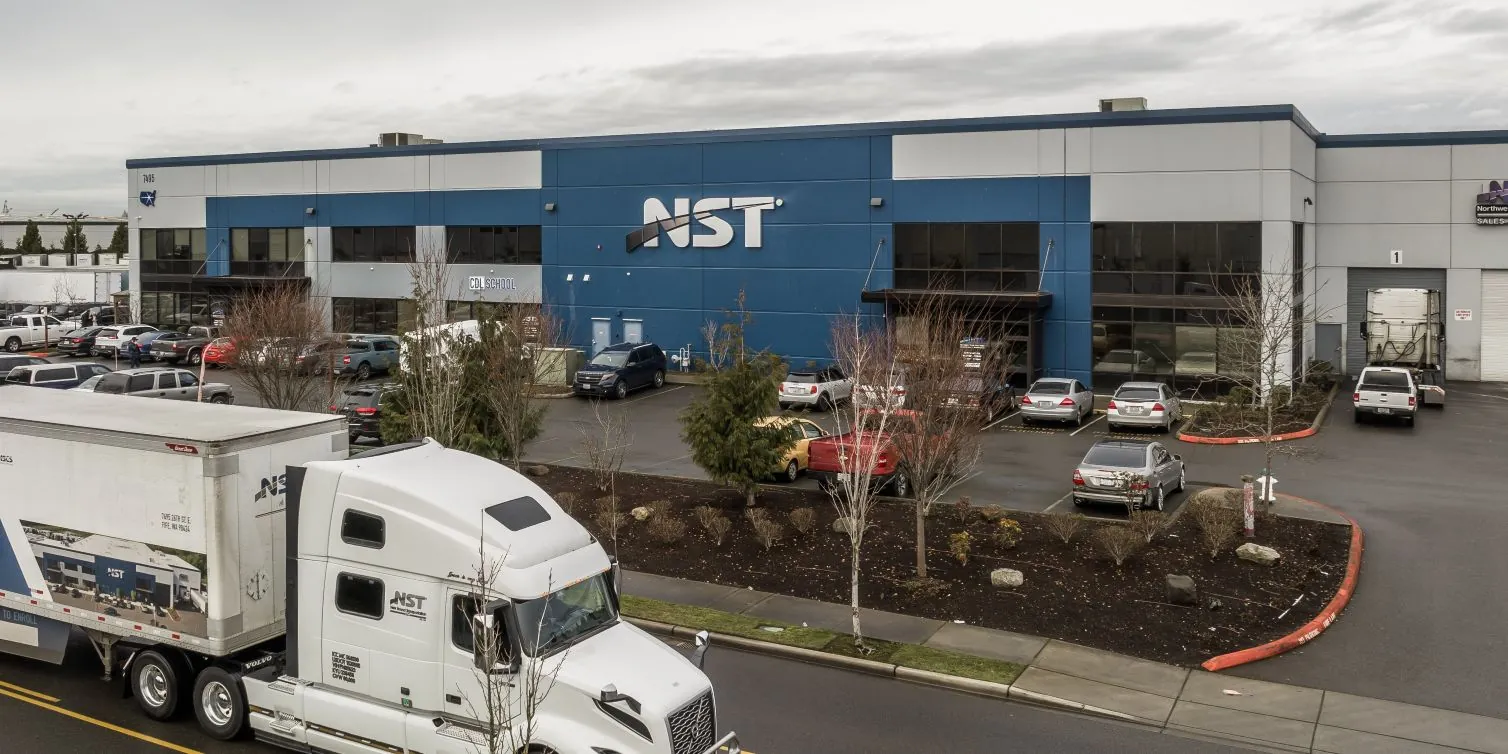
NST’s warehouse in Fife, WA is located just minutes from both the Port of Tacoma and Port of Seattle. That makes it an ideal solution when freight needs to move fast.
Instead of waiting days for a delivery window, you can relocate the freight immediately.
Step 3: Unload and Inspect the Freight
Once the container arrives at the warehouse, the next step is unloading. This is where additional problems often show up.
After long ocean transit, containers can have:
- Shifted pallets
- Damaged cartons
- Broken stretch wrap
- Mixed freight that needs sorting
If you try to send that freight directly to a receiver, there’s a high chance it gets rejected. Unloading lets you see the condition of the product and fix issues before they cause bigger problems.
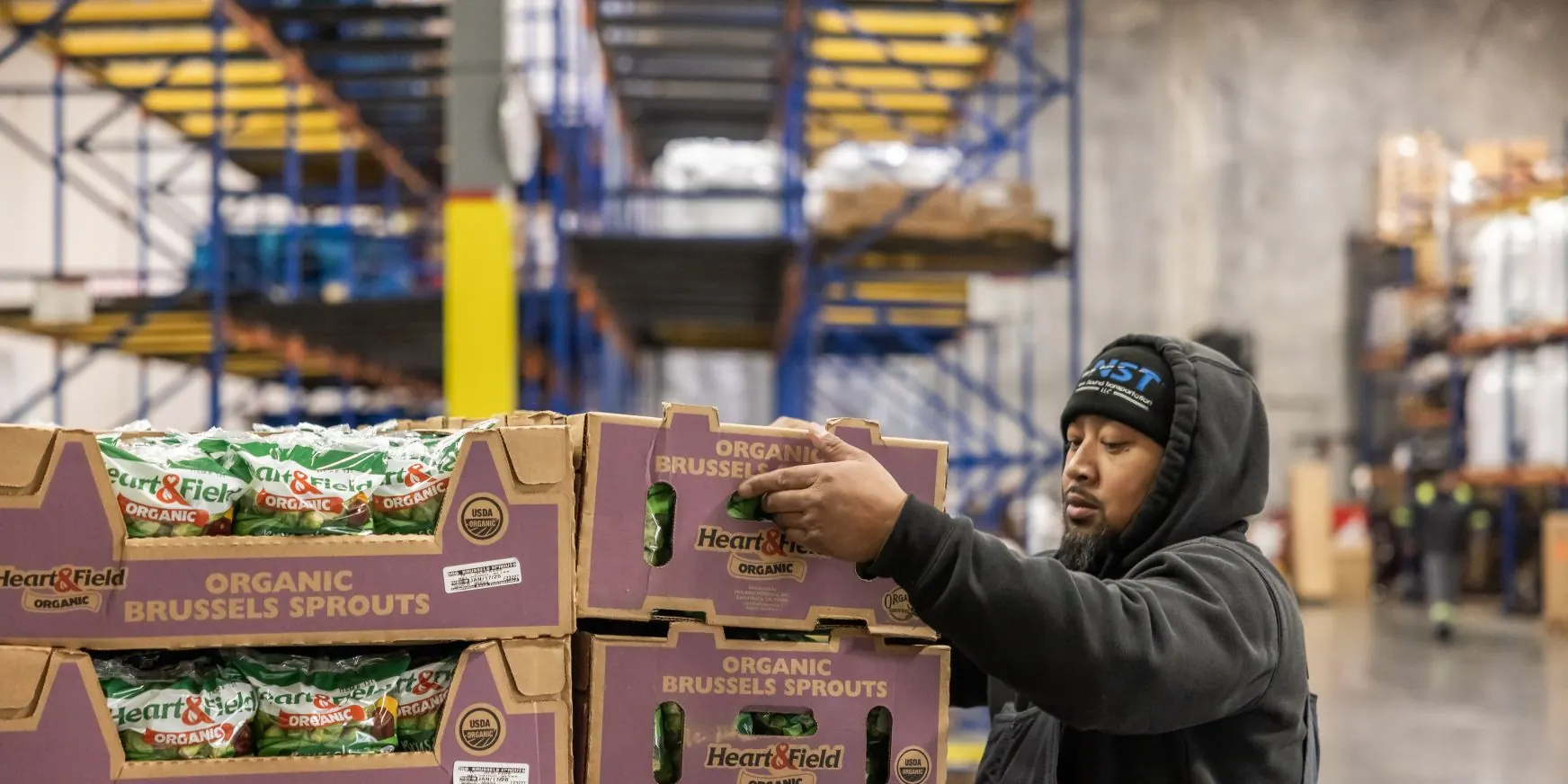
At NST, forklift crews unload containers carefully and check freight as it comes off. If everything looks good, it can move straight to storage or outbound shipping. If not, it moves to the rework station.
Step 4: Restack and Rework the Load
This is where those additional problems get solved. If pallets shifted during transit or weren’t built correctly overseas, they need to be rebuilt.
Restacking includes:
- Rebuilding pallets
- Replacing damaged pallets
- Rewrapping loads
- Adjusting weight distribution
- Sorting mixed freight
This step is critical, because many receivers will reject freight that is unstable or poorly stacked. Fixing it at the warehouse prevents another delay later.
NST handles restacks every week, especially for import freight coming through Tacoma or Seattle. We rebuild loads so they are stable, compliant, and ready for delivery.
Step 5: Protect Temperature-Sensitive Freight
If your container includes frozen or chilled product, time becomes even more important.
Temperature-sensitive freight can’t sit on a dock while decisions are made. It must move into a controlled environment.
NST provides FSMA-compliant cold storage with:
- Frozen zones
- Chilled zones
- Dry storage areas
If restacking takes time, product can be staged safely inside the correct temperature zone.
This protects:
- Product quality
- Food safety compliance
- Insurance coverage
- Customer trust
Cold chain discipline is not optional. It is required, and NST does it better than anyone.
Step 6: Store Until You Are Ready to Move
Sometimes the problem isn’t the freight. It’s simply timing.
Your receiver may not be ready. Your distribution schedule may not be set. Your customers may not be prepared to take delivery. That’s where a temporary storage solution helps.
With warehouse storage, you can:
- Hold product short-term
- Stage inventory for distribution
- Plan outbound shipments
- Avoid rushed decisions
NST offers flexible storage options, whether you need space for a few days or longer-term staging. This gives you control instead of forcing you into a bad delivery situation.
Step 7: Redeliver When the Timing Is Right
Once everything is ready, the final step is delivery.
This is where coordination matters. If you rely on multiple companies, communication slows down, mistakes happen, and delays repeat.
NST combines warehousing and transportation into one operation. That means we can:
- Schedule delivery
- Load outbound trucks
- Redeliver using our own fleet
- Adjust quickly if plans change
From port pickup to final delivery, everything stays connected. That reduces confusion and keeps freight moving.
Why Acting Fast Makes All the Difference
The biggest mistake companies make is waiting too long.
They hope the port clears. They wait for the receiver. They delay making decisions. Meanwhile, your costs increase while your options shrink. The companies that stay ahead of the rest do one thing differently: They move quickly.
They pull containers out early and use nearby warehouses to fix problems before they grow. That’s how you stay in control.
Why Location Matters in Port Logistics
Distance and cost are married in logistics. The farther you have to move something, the more it will cost you in fuel prices, driver wages, time, and risk. A warehouse 50 miles away is not the same as one 5 miles away.
NST’s Fife location offers:
- Immediate access from I-5
- Short drive from Port of Tacoma
- Close proximity to Seattle port traffic
- Fast turnaround for container unloading
That proximity reduces time, cost, and risk. When freight needs to move quickly, every mile matters.
Who This Helps Most
This approach is built for companies that rely on consistent freight flow.
Including:
- Food and beverage importers
- Seafood distributors
- Retail suppliers
- Manufacturing importers
- Freight brokers
- 3PLs managing port shipments
If your business depends on containers moving smoothly through Tacoma or Seattle, having a backup plan with a trusted partner is essential.
Frequently Asked Questions About Freight Stuck at the Port
What happens if my freight is stuck at the Port of Tacoma?
If your freight is stuck at the Port of Tacoma, it may incur demurrage fees, delivery delays, and potential product risk. The best solution is to move the container to a nearby warehouse where it can be unloaded, restacked, and stored until delivery.
How do I get a container out of the Port of Seattle quickly?
To get a container out of the Port of Seattle quickly, you need a carrier and a warehouse near the port that can receive the container immediately. A nearby facility like NST in Fife, WA can unload and store the freight the same day.
Where can I store freight near the Port of Tacoma?
You can store freight near the Port of Tacoma at a warehouse in Fife, WA that offers container unloading, cold storage, and short-term warehousing. This allows you to avoid delays and prepare for redelivery.
What is demurrage at the Port of Tacoma and how do I avoid it?
Demurrage at the Port of Tacoma is a daily fee charged when containers sit too long at the port. You avoid demurrage by pulling the container out quickly and moving it to a warehouse for unloading and storage.
Can I restack freight after it leaves the port?
Yes, freight can be restacked after it leaves the port. A warehouse like NST can unload the container, rebuild pallets, and prepare the freight for safe delivery.
What should I do if my receiver is not ready for delivery?
If your receiver is not ready, you should move the freight to a nearby warehouse for temporary storage. This prevents delays at the port and allows you to schedule delivery when the receiver is ready.
Can cold storage freight be stored near the Port of Tacoma?
Yes, cold storage freight can be stored near the Port of Tacoma in temperature-controlled warehouses. NST offers frozen, chilled, and dry storage to protect sensitive products.
Need Help With Freight at the Port?
If your container is stuck at the Port of Tacoma or Seattle, don’t wait.
We can help you:
- Pull containers from the port
- Unload and inspect freight
- Restack and rework pallets
- Store product safely
- Redeliver when ready
Contact NST today to get your freight moving again. The faster you act, the more you save.