Every day, shipping containers arrive at ports on the west coast filled with product that still has a long journey ahead. Food imports, packaged goods, raw materials, and retail inventory move through the ports of Tacoma and Seattle at massive scale. But once a container is unloaded, the logistics process is far from finished.
For many importers, brokers, and distributors, the next step becomes the most complicated one. Figuring out where to:
- Unload the container
- Restack the freight
- Store it nearby until it can move
That’s exactly where a warehouse partner like NST Cold Storage & Warehouse in Fife, Washington becomes critical.
Located minutes from the Port of Tacoma and just south of Seattle, NST helps companies unload containers, reorganize freight, and store frozen, fresh, or dry products safely until the next leg of transportation begins.
If your containers arrive at port but your freight isn’t ready to move directly to its final destination, this is how the process works and why having a nearby warehouse partner matters.
Why Containers Often Need Restacking After Port Arrival
In theory, containers should arrive perfectly organized and ready for delivery.
In reality, that rarely happens.
Long ocean transit, heavy cargo, and multiple handling points can shift freight inside a container. Sometimes products are loaded tightly overseas but don’t match U.S. distribution requirements.
Common reasons containers require restacking include:
- Pallets leaning or collapsing during ocean transit
- Mixed freight that must be separated by customer or destination
- Incorrect pallet configuration for domestic trucks
- Weight distribution problems
- Damaged stretch wrap or packaging
- Compliance requirements for U.S. distribution centers
Many distribution centers will refuse shipments that are unstable or improperly palletized.
When that happens, the container must be unloaded and the freight rebuilt correctly before it can move forward.
This process is called restacking (or freight rework), and it requires the right warehouse environment and team.
Why Restacking Needs to Happen Near the Port
When containers come off ships at Tacoma or Seattle, time becomes extremely important.
Ports operate on tight schedules, and container yards can’t hold freight indefinitely. If a container needs to be unloaded and reworked, it must move quickly to a nearby facility.
Sending that container hundreds of miles inland before fixing the problem usually creates more risk.
A warehouse close to port allows you to:
- Unload containers quickly
- Prevent port congestion or storage penalties
- Fix freight issues immediately
- Reduce unnecessary transportation costs
- Prepare loads for regional or national distribution
NST's warehouse in Fife, WA sits directly along the I-5 corridor between the Port of Tacoma and Port of Seattle, making it an ideal interception point for import containers.
Instead of sending a problematic container inland, the freight can be corrected immediately.
The Container Unloading Process
Once a container arrives at the warehouse, the first step is safe unloading.
This stage requires experience and proper equipment because containers often hold tightly packed freight. Improper unloading can cause additional damage.
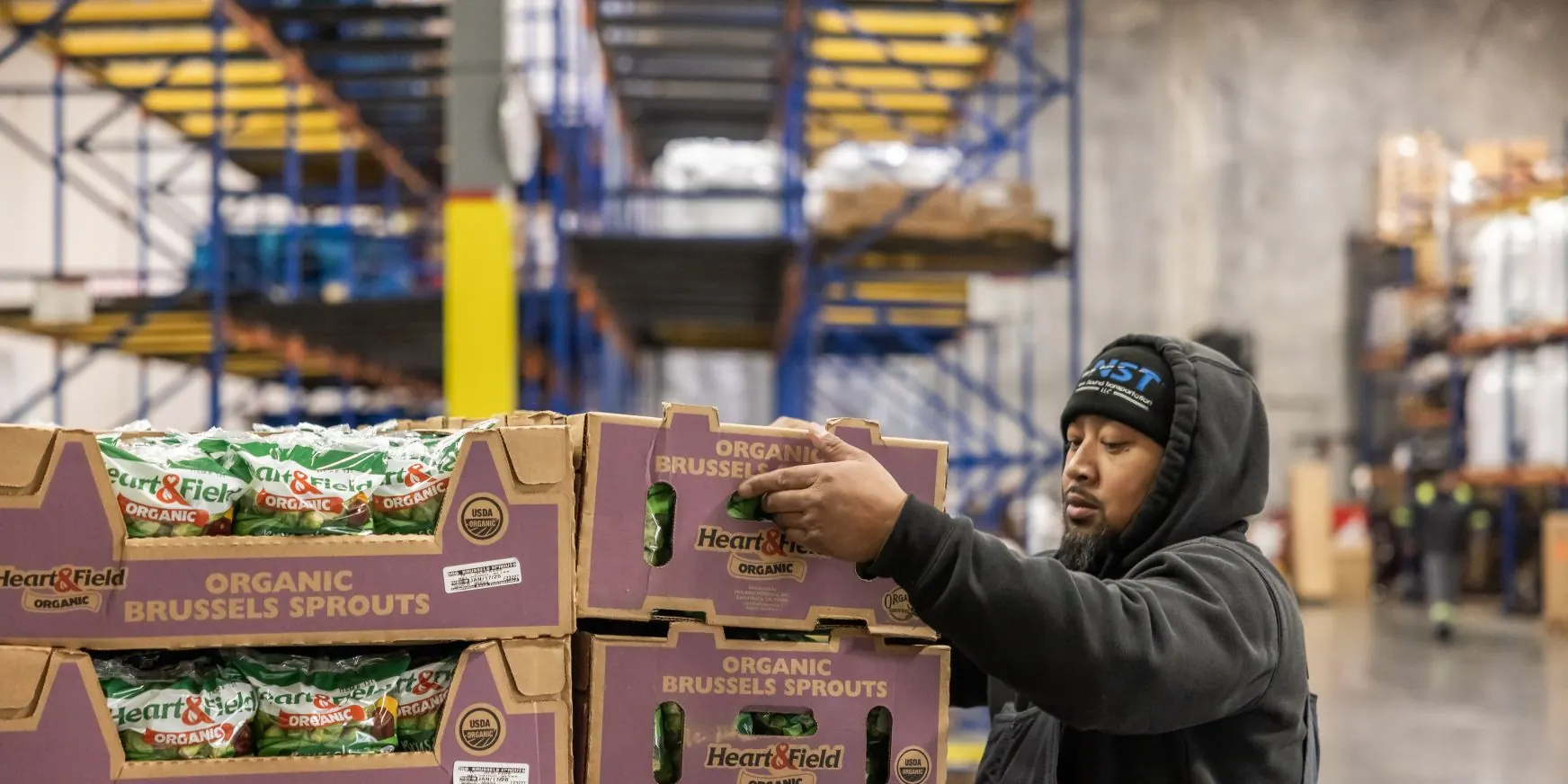
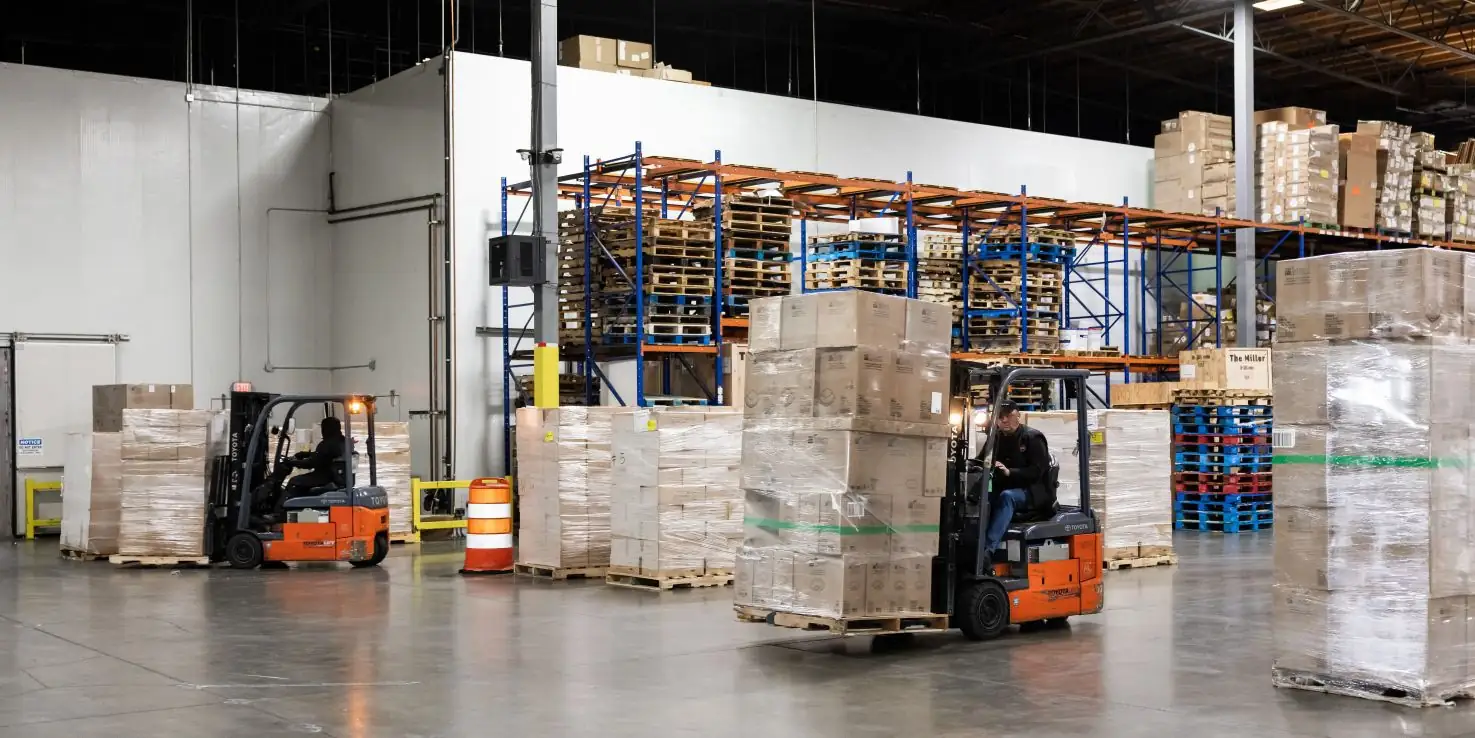
At NST, forklift operators carefully remove pallets while inspecting product condition.
During unloading, the team checks for:
- Leaning pallets
- Damaged cartons
- Broken wrap
- Weight distribution issues
- Moisture or contamination concerns
If pallets remain stable, they can move directly into storage.
If freight has shifted or collapsed, it moves to the rework area.
Restacking Freight for Domestic Transportation
International shipping containers are often loaded for maximum density, not for domestic trucking efficiency.
That means freight must be rebuilt for safe transportation across U.S. highways.
During restacking, warehouse teams:
- Rebuild pallets
- Separate mixed freight
- Replace damaged pallets
- Rewrap loads securely
- Adjust weight distribution
- Prepare pallets for domestic trailers
This ensures the freight can safely travel on trucks without shifting again.
Proper restacking also helps prevent delivery refusals at the receiver.
When distribution centers see unstable pallets, they often reject the entire load, so correcting the problem early protects both time and reputation.
Cold Storage for Temperature-Sensitive Imports
Many import containers arriving in Tacoma carry temperature-controlled products.
Common examples include:
- Frozen seafood
- Meat products
- Beverage concentrates
- Produce ingredients
- Specialty food imports
When these shipments require restacking, they must move quickly into a controlled environment.
Temperature-sensitive freight can’t sit exposed on a dock while pallets are rebuilt.
NST operates FSMA-compliant cold storage zones that include frozen, chilled, and dry environments. If a restack requires additional time, the product can be staged safely inside temperature-controlled storage.
This protects:
- product quality
- food safety compliance
- insurance coverage
- customer trust
Cold chain discipline is essential when working with imported food products.
Storing Freight After the Container Is Unloaded
In many cases, the freight inside a container is not immediately ready for delivery.
Importers often need temporary storage while they:
- distribute product to multiple customers
- prepare LTL shipments
- coordinate regional trucking
- wait for delivery appointments
- stage inventory for distribution centers
Instead of rushing product into a trailer, companies can store it nearby until transportation is scheduled.
NST provides short-term and long-term storage options that allow freight to remain secure and accessible.
This flexibility helps logistics teams manage inventory flow without disrupting schedules.
Cross-Docking for Faster Distribution
Sometimes containers arrive with freight destined for multiple locations.
Rather than storing everything, cross-docking allows the product to move directly from container to outbound trucks.
During cross-docking, the warehouse team:
- unloads the container
- sorts freight by destination
- consolidates shipments
- loads outbound trailers
This process minimizes storage time and keeps freight moving quickly through the supply chain.
Cross-docking is especially valuable for:
- LTL shipments
- grocery distribution
- retail product launches
- time-sensitive imports
NST regularly handles cross-dock operations for high-volume freight moving through the Seattle-Tacoma port system.
Redelivery and Inland Transportation
After freight is restacked and organized, the next step is transportation.
Many importers prefer working with a warehouse partner that can also coordinate delivery.
NST operates its own transportation division, allowing freight to move from container to warehouse to delivery without relying on outside carriers.
This integrated model allows companies to:
- unload containers
- restack product
- store inventory
- schedule redelivery
- transport freight inland
Because transportation and warehousing operate together, communication becomes faster and more reliable.
Instead of coordinating multiple vendors, companies work with one logistics partner.
Why Location in Fife, Washington Matters
Fife sits at one of the most important logistics crossroads in the Pacific Northwest.
The area provides direct access to:
- Interstate 5
- Port of Tacoma
- Port of Seattle
- regional distribution centers
- cross-border routes into Canada
For companies importing goods through Tacoma or Seattle, having a warehouse just minutes away reduces transportation time and cost.
Drivers can move containers quickly from the port to NST’s facility without long detours or traffic delays.
That efficiency becomes critical when dealing with time-sensitive cargo.
Who Benefits from Container Restack and Storage Services
Many industries rely on nearby warehouse support after containers arrive at port.
NST frequently works with:
- food and beverage importers
- seafood distributors
- frozen food companies
- grocery suppliers
- manufacturing importers
- retail distribution networks
- logistics brokers and freight forwarders
These companies all share one challenge: import freight rarely moves perfectly from port to final destination without adjustments.
Having a warehouse partner ready to unload and reorganize containers solves that problem.
The Value of a Reliable Port-Side Warehouse Partner
Import logistics rarely follows a perfect plan.
Containers arrive late. Pallets shift. Receivers change schedules. Product must be reorganized before delivery.
When those challenges appear, companies need a warehouse partner that understands the urgency.
NST Cold Storage & Warehouse was built to support the fast pace of port logistics.
Our facility provides:
- container unloading
- pallet restacking and rework
- temperature-controlled storage
- cross-docking services
- freight consolidation
- redelivery coordination
Most importantly, we are located exactly where import freight needs us: minutes from the ports of Tacoma and Seattle.
Container Freight Support in the Seattle-Tacoma Region
If your company imports containers through the Pacific Northwest and needs a reliable place to unload, restack, and store freight nearby, NST is ready to help.
Our team works with brokers, importers, and distributors every week to solve container logistics challenges quickly and professionally.
From the moment a container leaves the port to the moment freight leaves our dock for final delivery, NST helps keep the supply chain moving.
Contact NST Cold Storage & Warehouse in Fife, Washington to discuss container unloading, restacking, and storage solutions for your import freight.