Cold chain transloading moves temperature-sensitive freight from an ocean container into refrigerated storage or domestic transportation near the port. For food importers using the Port of Tacoma or Seattle, fast transloading can reduce exposure to demurrage and detention charges while limiting delays that can put refrigerated or frozen freight at risk.
Shipping frozen or fresh food through the West Coast brings about immediate operational hurdles. If your container sits on the dock for too long, steep fines will pile up pretty fast. If your cargo sits without proper power, product quality drops.
Transloading is a practical solution: Moving your cargo off the port dock into a close temperature-controlled facility will protect your shipping budget and keep your food completely safe.
Port Drayage vs. Transloading: What's the Difference?
Port drayage involves short-distance trucking where a driver picks up a sea container at the port terminal and moves it to a nearby warehouse, railyard, or yard. The cargo stays locked inside the original ocean container during the entire drive.
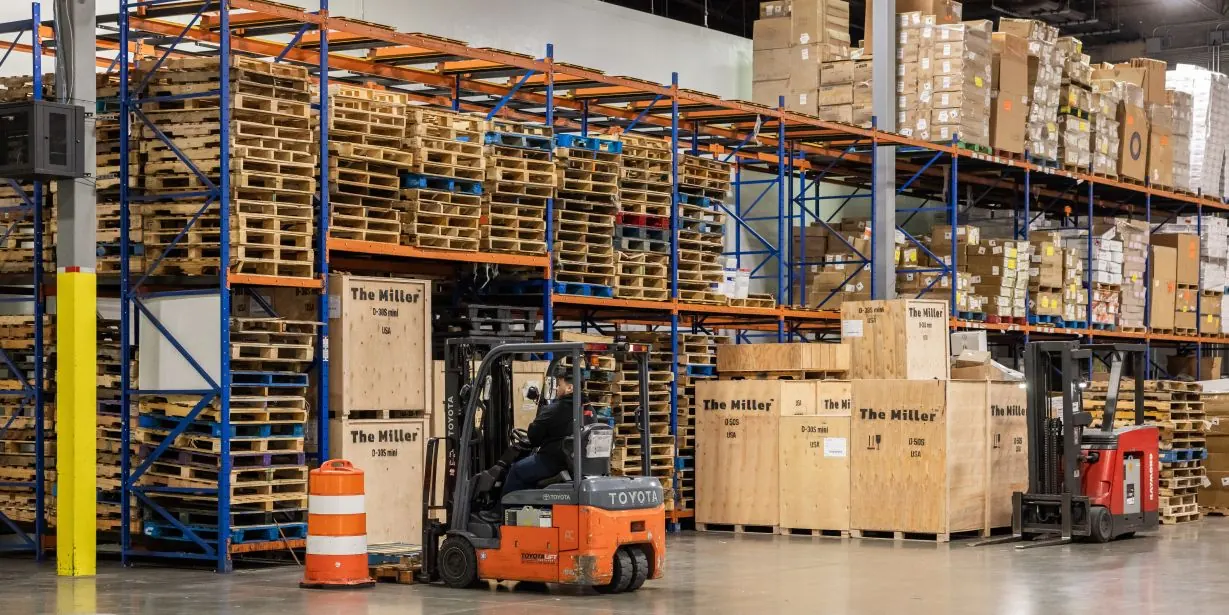
Transloading services go one step further. A local drayage driver moves the container out of the port to an off-dock facility. Workers unload the cargo from the ocean container. They place it directly into a domestic refrigerated trailer, a dry van, or a cold storage warehouse.
Using drayage to move freight straight to an off-dock transloading facility gives you immediate physical access to your goods. You don’t need to wait for a long-distance driver to show up at the port gate.
Demurrage vs. Detention Charges
Port fees rank among the most frustrating costs in import shipping. Ocean lines and terminal operators give shippers a limited window of free time to clear cargo. Once those free days expire, daily charges start adding up.
Demurrage Charges
Demurrage is a daily fee billed by the port terminal. It applies when a loaded container stays inside the terminal gates longer than your free days allow. Terminal space is tight, so ports use high demurrage rates to force shippers to clear containers quickly.
Detention Charges
Detention is a daily fee billed by the ocean line. It applies when you keep the shipping container and chassis outside the port terminal past the agreed return deadline.
How Does Transloading Help Reduce Demurrage and Detention?
Rapid transloading provides a direct way showing how to avoid port demurrage and detention fees:
- A local truck picks up the container at the terminal on Day 1 of your free time.
- The driver takes the container to an off-dock facility just a few miles away.
- Workers unload the cargo immediately.
- The driver returns the empty container to the port before detention charges begin.
If your final receiving customer isn’t ready for delivery, off-dock container storage solutions let you store the freight safely in a secure yard or warehouse. You stop paying high ocean carrier fees while keeping your cargo close to major highways like I-5.
This process can also help to remove a chassis split fee, which happens when a trucking company must send a driver to one location to grab an empty chassis frame and a second location to pick up the container.
Transloading vs. Cross-Docking: What's the Difference?
While both transloading with cross docking keep goods moving without long-term storage, they serve very different goals:
Transloading focuses on shifting cargo from sea containers into domestic semi-trailers, which changes the mode of transport and often involves:
- Pallet sorting
- Restacking
- Labeling
- Short-term holding at an off-dock facility
Cross docking keeps the same transport mode by moving incoming truckloads directly across the dock floor to outbound trucks with minimal product handling and almost zero storage time.
Understanding this distinction helps shippers choose between adapting imported container loads for regional distribution or bypassing storage entirely to speed up direct truck transfers.
Temp-Controlled LTL Shipping Best Practices for Food Safety
When handling temperature-sensitive imports like meat, seafood, produce, or frozen meals, speed is only half the battle. Maintaining strict temperature control during a transfer is vital because a single temperature slip can ruin an entire shipment.
Difference Between Pre-Cooling and Pulldown Reefer Units
A common cold chain mistake involves relying on trailer refrigeration units to cool down warm products.
- Pre-cooling: Bringing the trailer box or warehouse dock floor down to the exact set point temperature before loading cargo.
- Pulldown: Attempting to lower the core temperature of warm cargo using the trailer's cooling unit during transit.
Refrigerated trailers are built to maintain cargo temperature, not lower it. Loading cold food into a warm trailer causes surface thawing and condensation. Following temp-controlled LTL shipping best practices requires that all staging docks and trailers undergo full pre-cooling before freight touches the floor.
Protecting Cargo Under FSMA 204
Transloading at a well-managed cold storage facility can help shippers keep lot information and receiving records organized while maintaining separate temperature records for cold-chain monitoring.
Managing Reefer Freight Claims and Liability
Equipment breaks down. When a reefer unit fails on the road, knowing who’s responsible demands clear data. Modern fleets rely on refrigerated trailer temperature telematics logs. These systems send automated temperature readings every few minutes directly to a central database.
If a temperature excursion occurs, continuous reefer temperature logs can help establish when conditions inside the trailer changed. That evidence can be valuable when investigating freight claims and determining where a cold-chain failure occurred.
How Transloading Feeds Refrigerated LTL Freight Shipping
Importing cargo in ocean containers usually means receiving one massive load at a single point. But regional grocery warehouses or food service distributors often prefer smaller, frequent deliveries.
Transloading bridges this gap. A facility near the port unloads your container, inspects the product for damage, and breaks down bulk loads into smaller lots.
From there, your freight moves into refrigerated LTL freight with cold storage. Your food travels safely alongside other temperature-controlled loads shipped to the same region. If you only pay for the space you use, you’ll be reducing overall delivery costs all across the nation.
How New Sound Transportation Makes Cold Chain Logistics Simple
At New Sound Transportation, we remove handoffs by managing the entire process under one roof:
- Prime Location: Our cold storage facility sits in Fife, Washington, minutes from the Port of Tacoma, the Port of Seattle, and I-5.
- Asset-Based Control: We operate our own fleet of trucks and refrigerated trailers. Our drivers pull containers directly from port gates.
- Complete Facility Services: We offer frozen, chilled, and dry storage, cross-docking, container unloading, rework, and redelivery.
- In-House Maintenance: Our dedicated truck repair shop keeps our refrigerated equipment running smoothly to prevent transit delays.
- LTL Expertise: We specialize in direct refrigerated LTL freight shipping across the U.S. and Canada.
By combining port proximity with asset-backed cold storage and transportation, NST keeps your cargo moving quickly while also protecting your cold chain integrity.
You can also check our guide to short-haul freight services near Tacoma and Seattle ports for shorter regional moves after the transload and see how we connect port freight with warehouses, distribution centers, and regional receivers.
Frequently Asked Questions About Cold Chain Transloading
Can transloading help avoid chassis split fees?
It can, depending on the drayage provider's equipment and chassis arrangements. A chassis split can occur when the chassis and container must be picked up from different locations, creating an additional equipment move. Working with a local provider that coordinates drayage, equipment, and transloading can reduce unnecessary moves in some situations.
What documents are needed to track cold chain temperature compliance?
Shippers may use reefer telematics, data loggers, and temperature records to document conditions during refrigerated transportation. These records support cold-chain management but do not by themselves satisfy FSMA 204. Covered businesses must separately maintain the traceability records required for applicable foods and Critical Tracking Events.
What is the difference between transloading and intermodal shipping?
The difference is whether the cargo is handled during transit: in intermodal shipping, goods stay sealed inside the exact same container while the container is moved across different modes of transport (like ship, rail, and truck). In transloading, the cargo is physically unloaded from one vehicle or container and reloaded into another at a transfer point.
What is the CFS fee for shipping?
A CFS fee (Container Freight Station fee) is a charge for handling, sorting, and processing freight at a warehouse facility, most commonly for Less-than-Container Load (LCL) shipments.They must go to a CFS where the fee covers the labor and equipment costs to either consolidate multiple small shipments into a single ocean container at origin, or unpack and sort them at destination before the final delivery.